
Fitodepurazione per reflui industriali
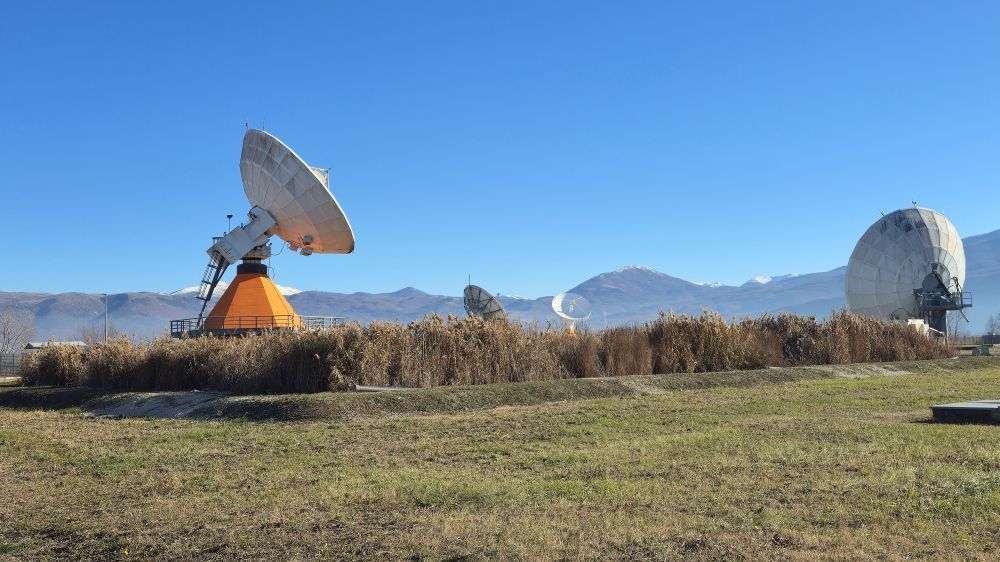
Wastewater from industries and factories can exhibit highly variable characteristics depending on the source and the production process, often containing organic matter, suspended solids, and other contaminants that require appropriate treatment before discharge or reuse. Nature-based Solutions (NbS), and particularly constructed wetlands, provide a sustainable and effective solution for the treatment of a wide range of wastewaters, especially where low energy consumption, reduced operational costs, and greater environmental integration are key objectives.
Low CAPEX
Low OPEX
Easy operation and management
No or almost negligible energy consumption
No request for chemical products
High removal efficiencies
Possibility to discharge in both water bodies and soil
Optimal landscaping
Industries and factories - IRIDRA's solutions
Classical constructed wetlands
- Constructed wetlands with horizontal subsurface flow (HF)
- Constructed wetlands with vertical subsurface flow (VF)
- Hybrid constructed wetlands (HF + VF, VF + HF, HF + FWS)
Intensified constructed wetlands (Constructed wetlands 2.0)
- French reedbed (FRB)
- Aerated constructed wetlands (FBA™)
Additional integrated solutions
- Sludge drying reed bed (SDRB)
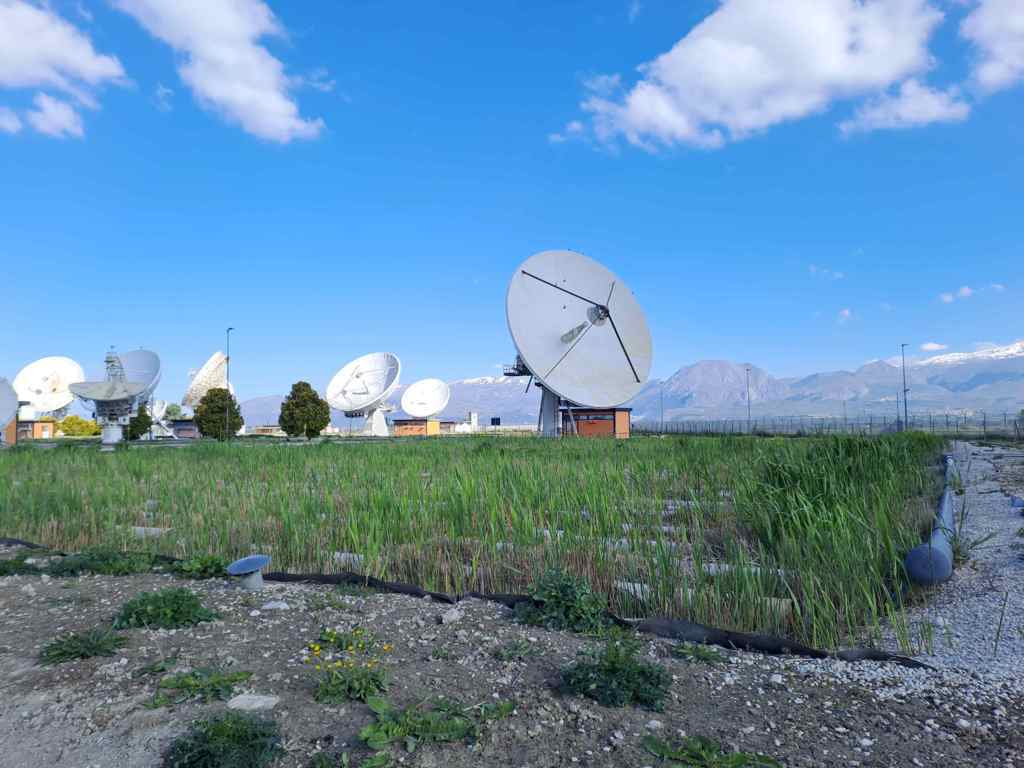
TELESPAZIO, Ortucchio (AQ – Italy)
Location: TELESPAZIO S.P.A., Ortucchio (Italy)
Treated person equivalent: 40
Chosen Nature-based solution: VF
Type of industry: TELESPAZIO S.P.A., Fucino Space Centre
Year of design: 2026
Trattamento terziario del depuratore di Bulgarograsso (CO - Italia) per la rimozione dei coloranti dalle acque reflue dell'industria tessile
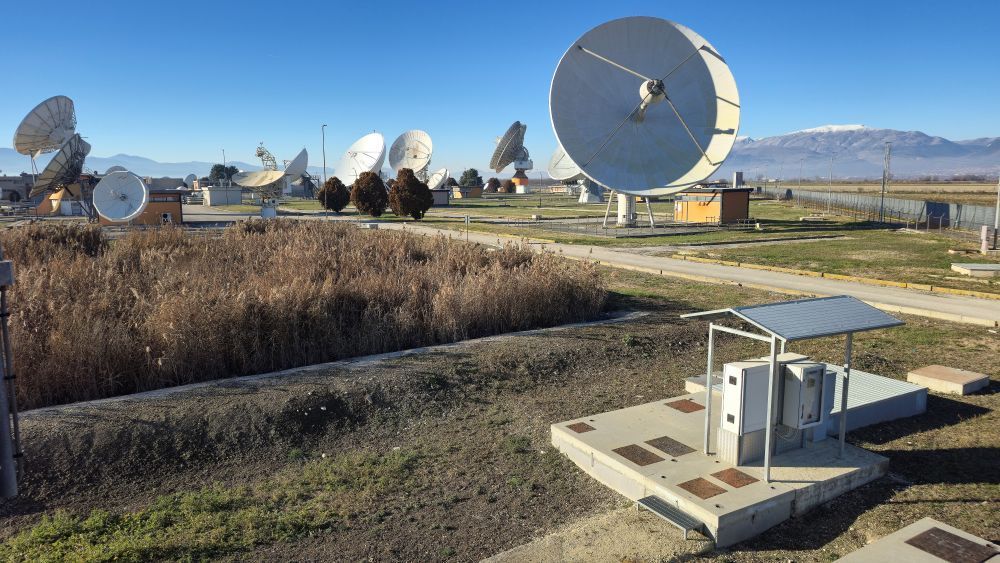
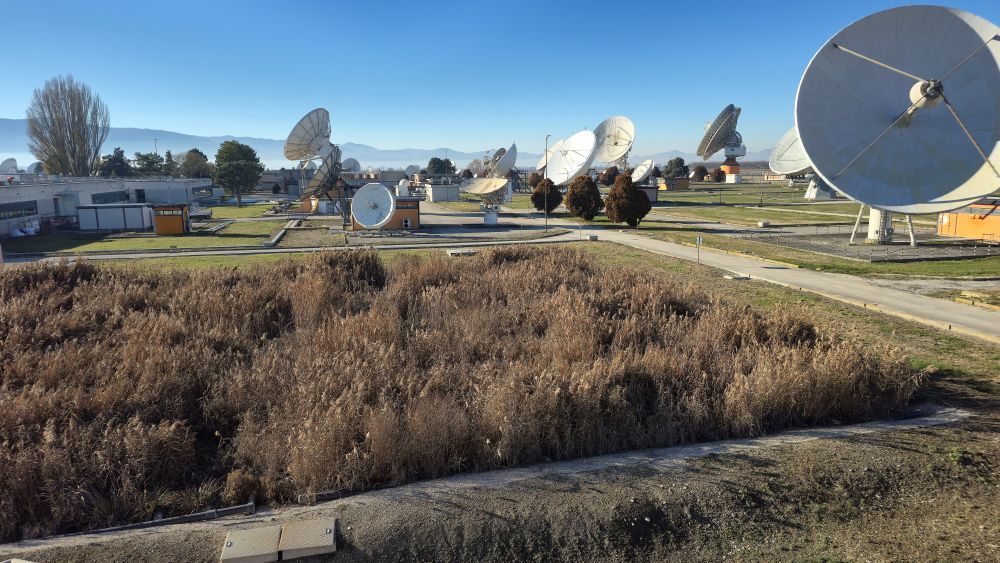
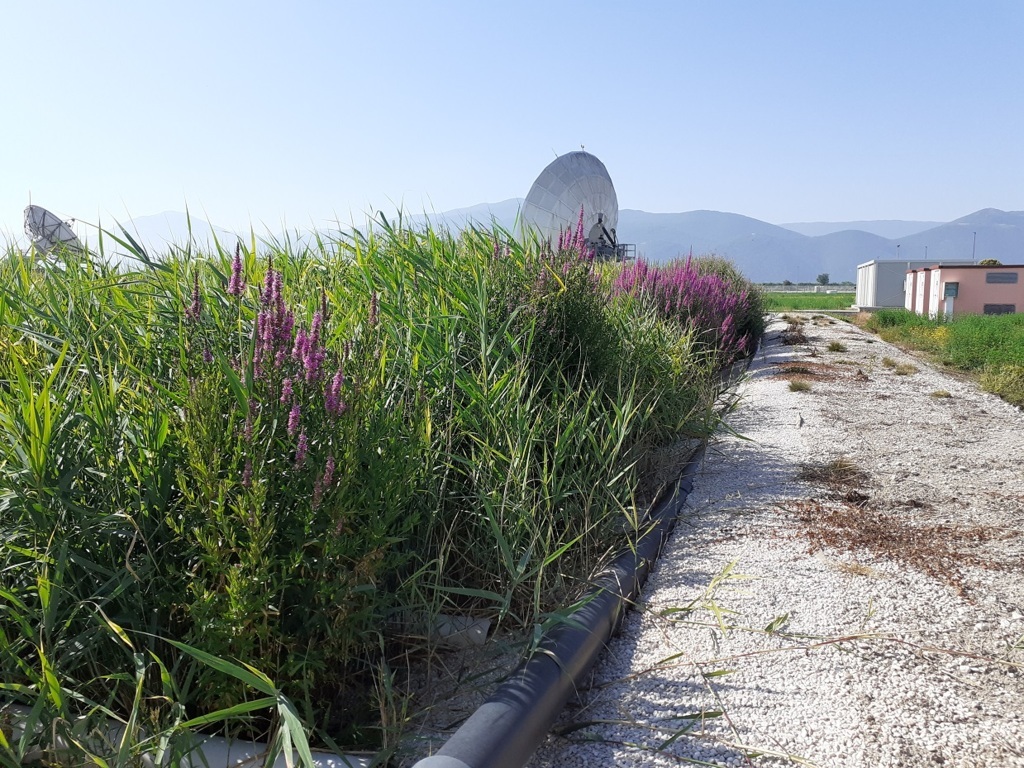
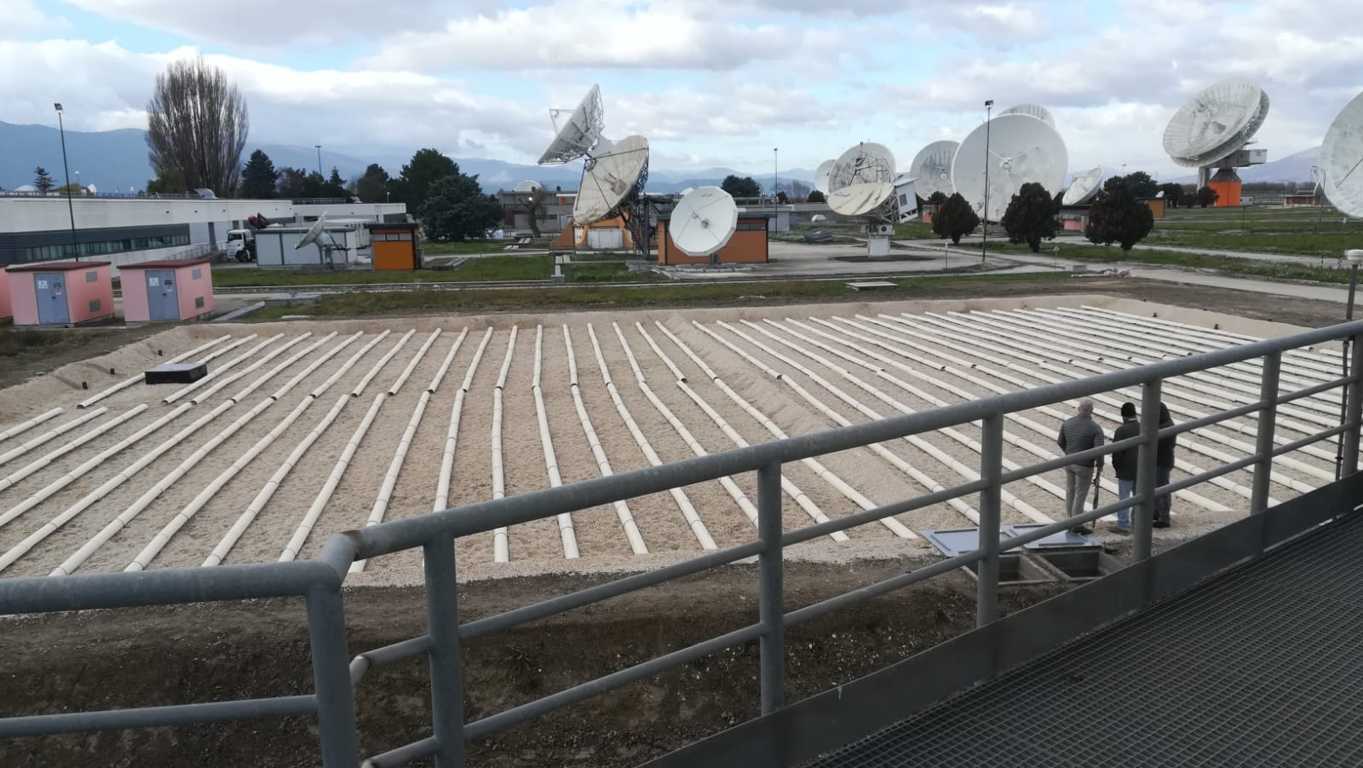
The Telespazio Fucino site is located in the Fucino Plain, within the municipality of Ortucchio, in the Province of L'Aquila (Italy). Construction of the site began in 1962 to support the first satellite telecommunications experiments between Europe and the United States, which were launched the following year. With 170 antennas distributed over an area of approximately 370,000 m², it is recognized as one of the world's first and most important civilian teleport facilities. Today, the Fucino Space Centre is among the leading global operators in the field of satellite services.
The site is located at an elevation of approximately 652 m above sea level and is set within a predominantly rural, sparsely urbanized landscape, characterized by extensive agricultural cultivation throughout the Fucino valley.
The wastewater treatment system currently consists of two treatment plants, one serving as a backup to the other, both authorized to discharge into surface waters:
- A constructed wetland treating wastewater from the entire complex, followed by final UV disinfection;
- Activated sludge treatment plants serving the two operational centres.
Following the expansion of the complex through the construction of the new IRIS2 building, which will accommodate approximately 140 employees, an upgrade of the existing wastewater treatment system became necessary. The selected design solution consists of treating the wastewater generated by the new building separately by means of a three-chamber septic tank followed by a vertical subsurface flow constructed wetland (VF) with a treatment area of 160 m².
The treated effluent will be conveyed to the pumping station shared by the existing treatment plants, which pumps the flow to the existing UV disinfection unit and subsequently to the final sampling chamber before discharge into the receiving surface water body.
TELESPAZIO, Ortucchio (AQ – Italy)

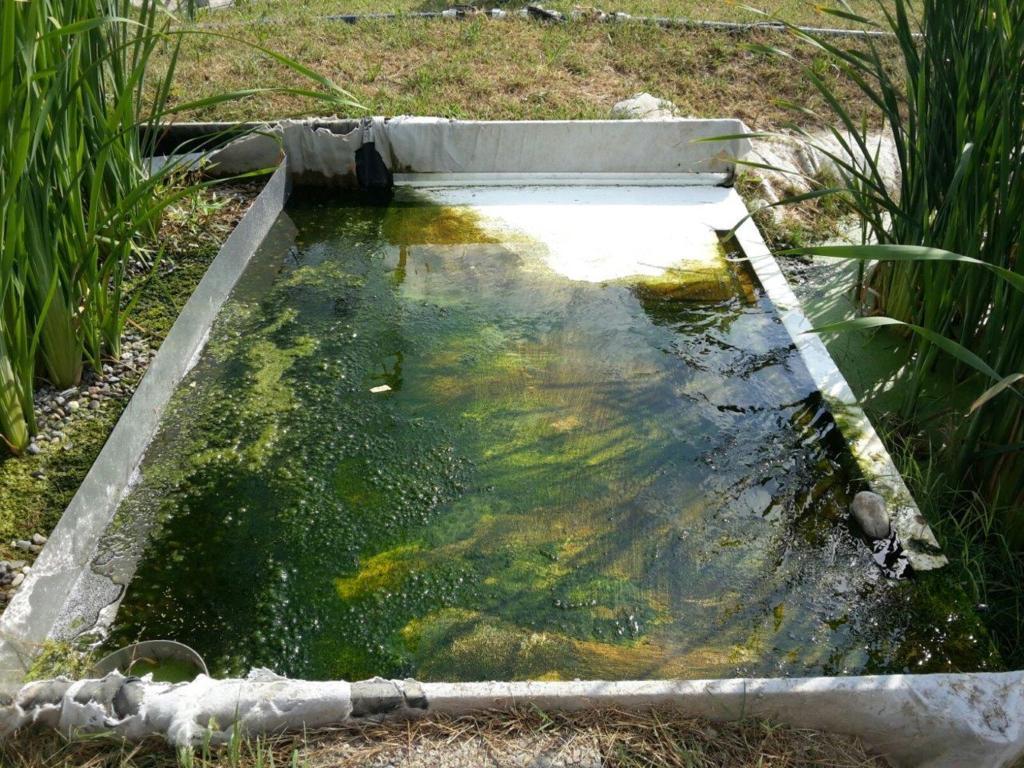
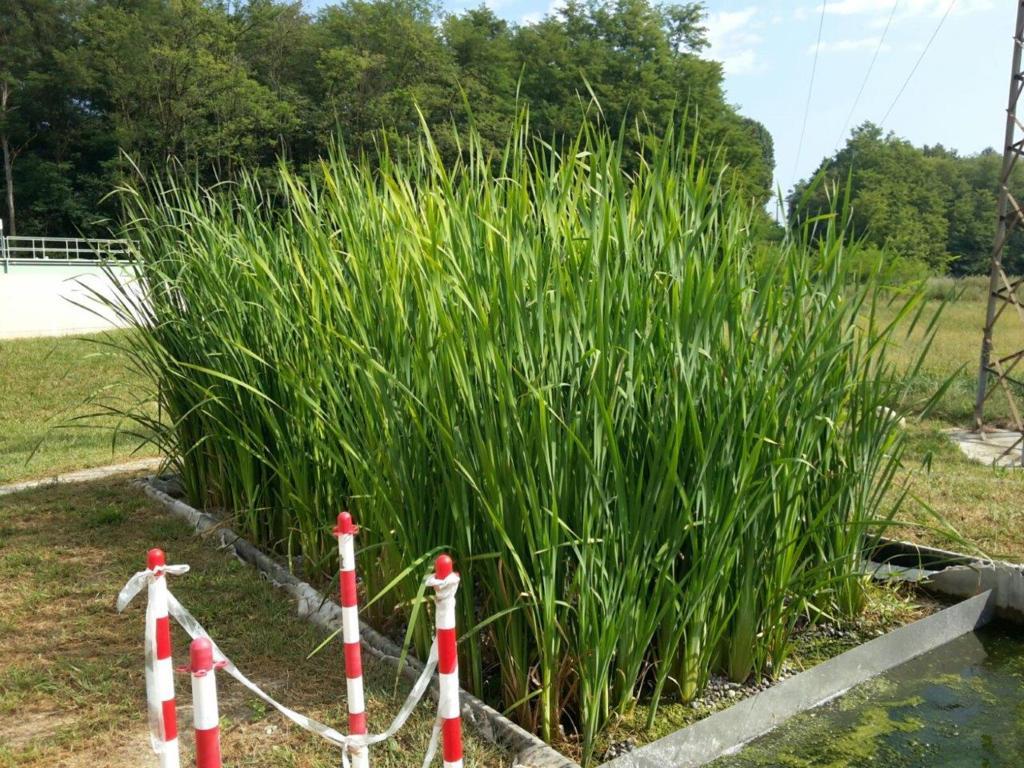
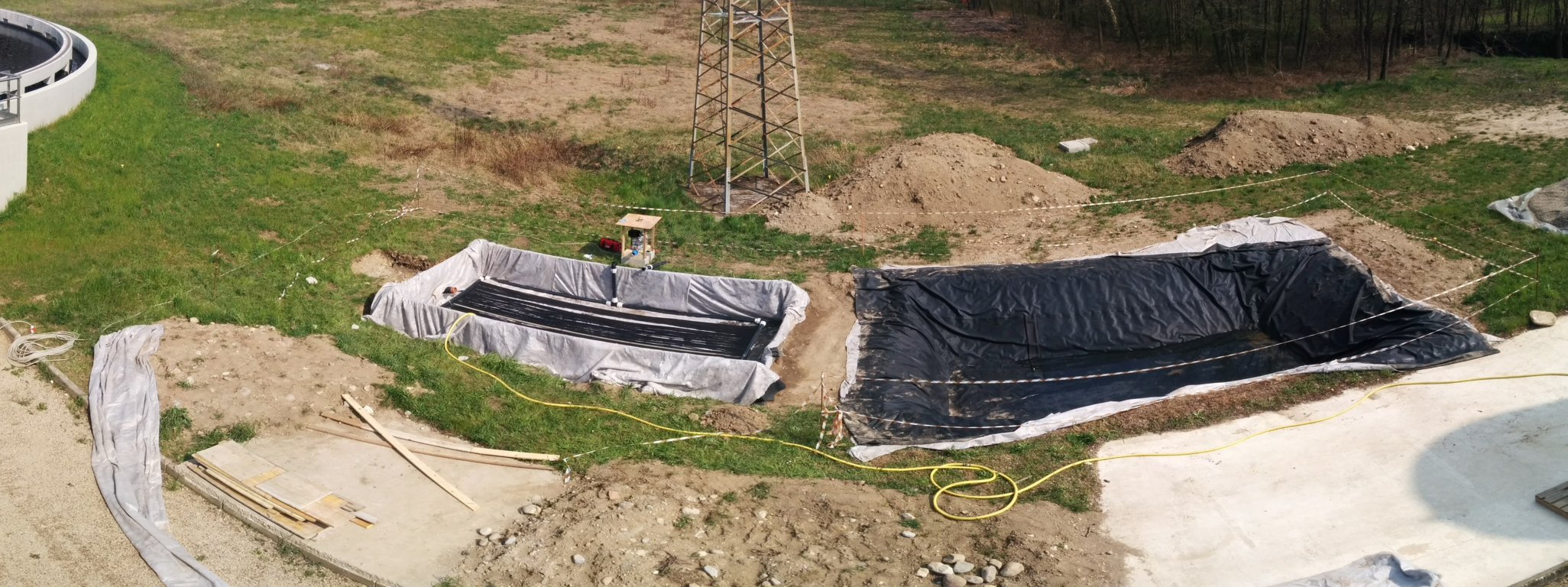
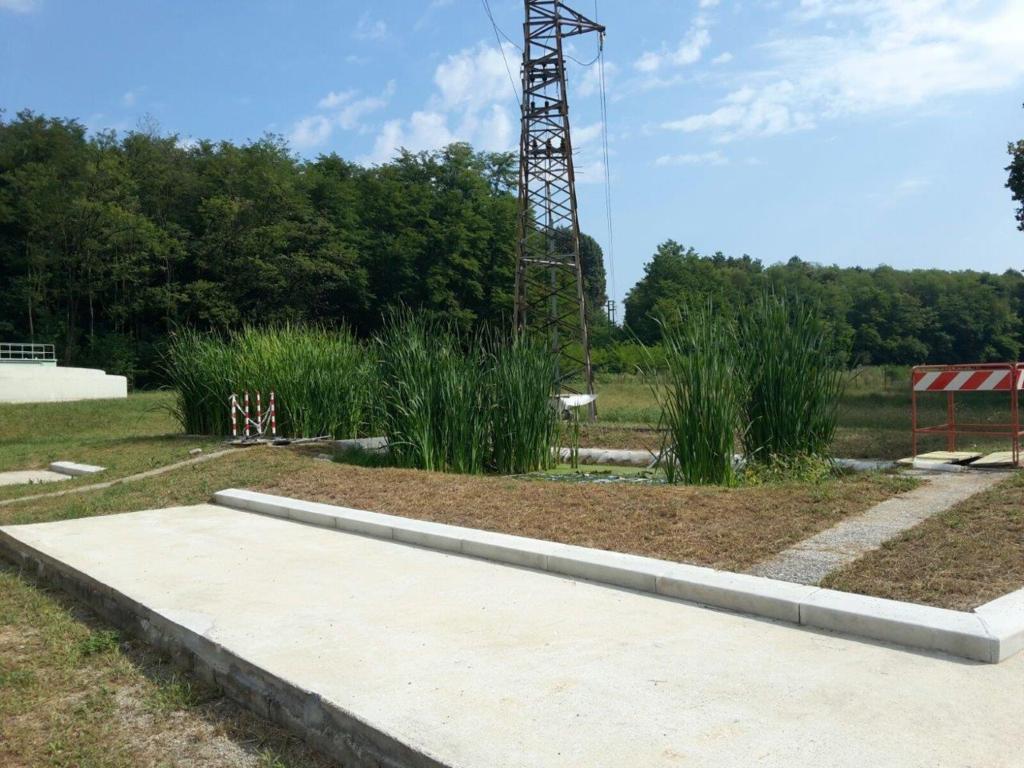
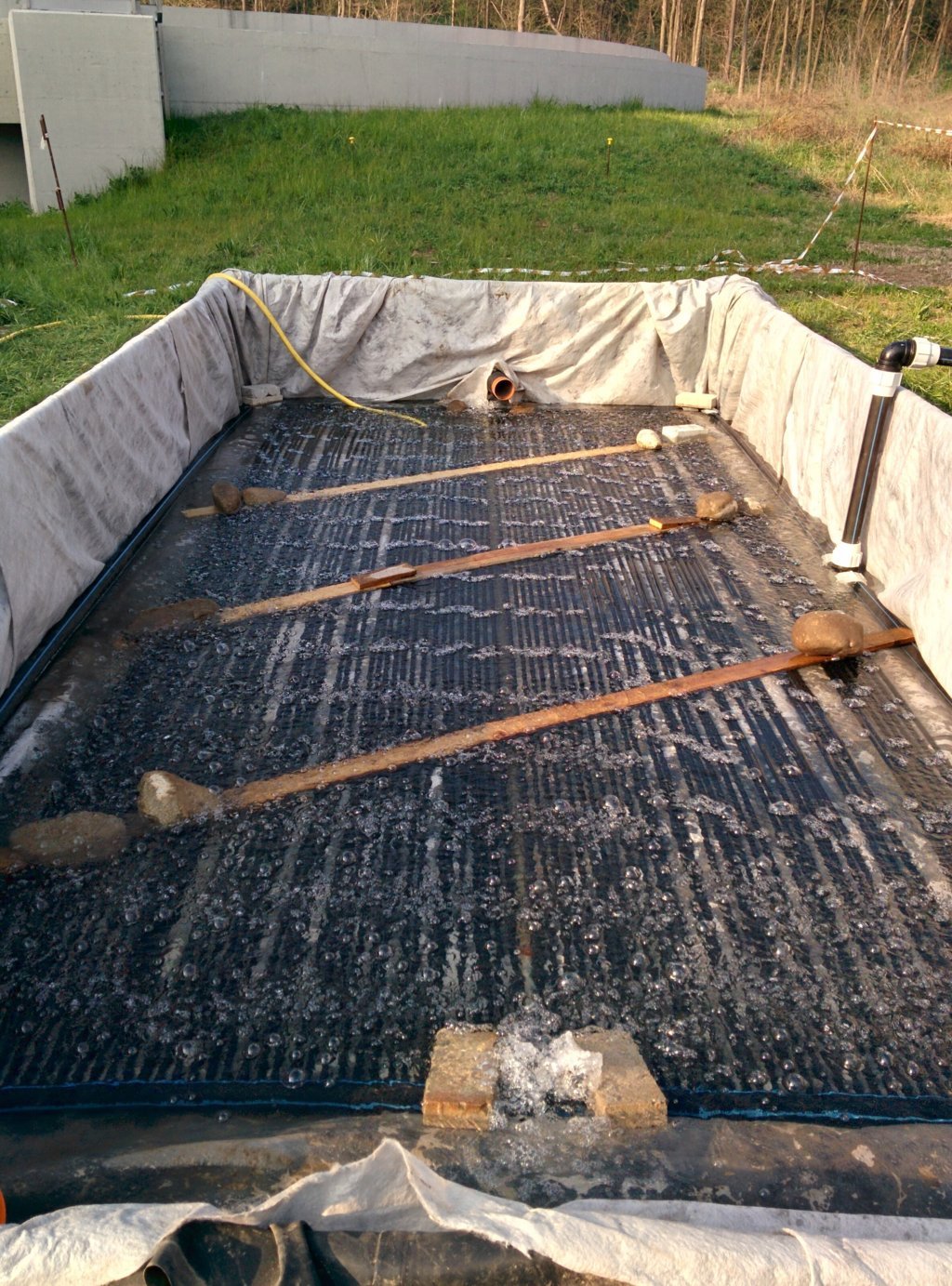
Tertiary treatment of WWTP of Bulgarograsso (CO - Italy) for dye removal from wastewater produced by textile industry
Location: Bulgarograsso (CO)
Treated wastewater quantity: 9-22 m3/d (pilot plant)
Chosen Nature-based solution: aerated HF + aerated FWS (FBA™ technology)
Year of completion: 2016
TELESPAZIO, Ortucchio (AQ – Italy)
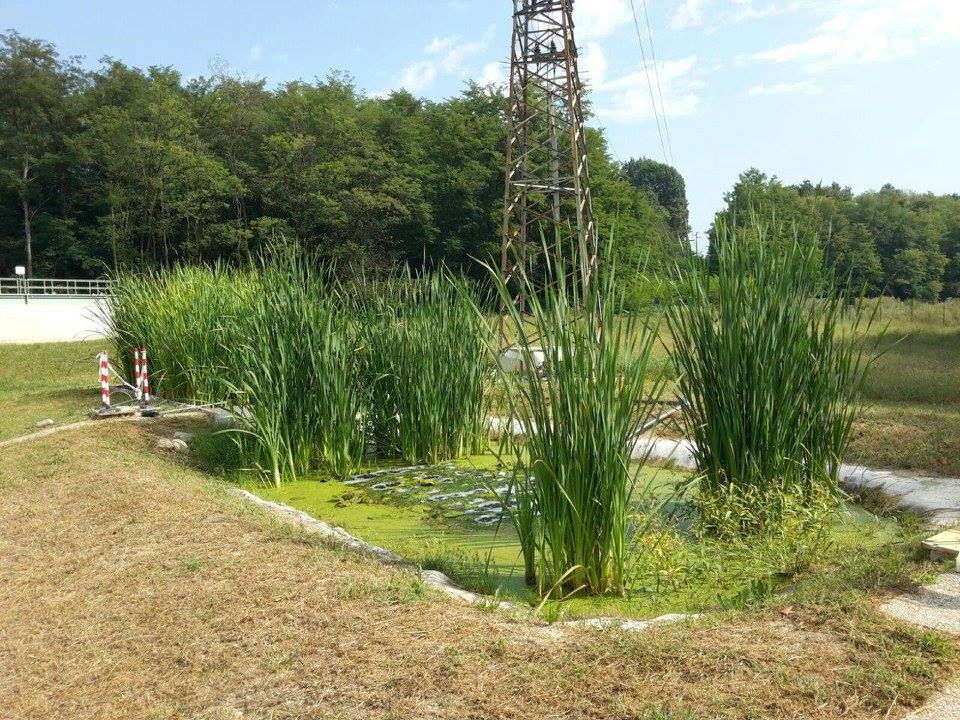
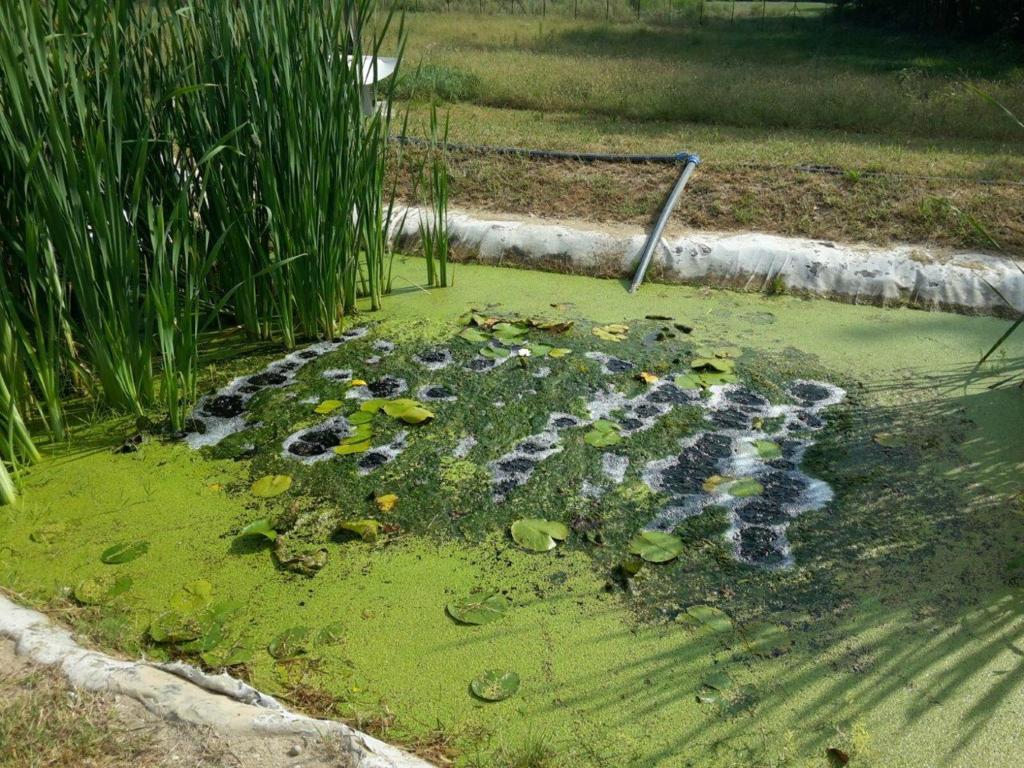
The treatment system consists of a 20 m² aerated vertical subsurface flow constructed wetland (AEW – Aerated Engineered Wetland), followed by a 20 m² aerated free water surface (FWS) constructed wetland.
TELESPAZIO, Ortucchio (AQ – Italy)
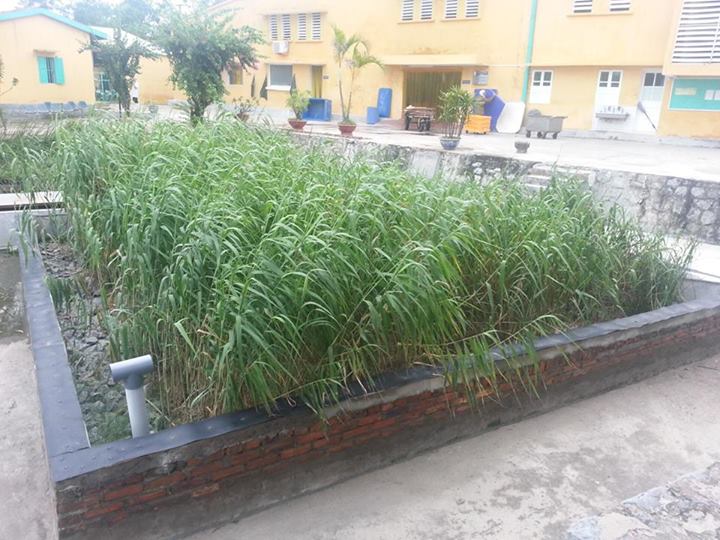
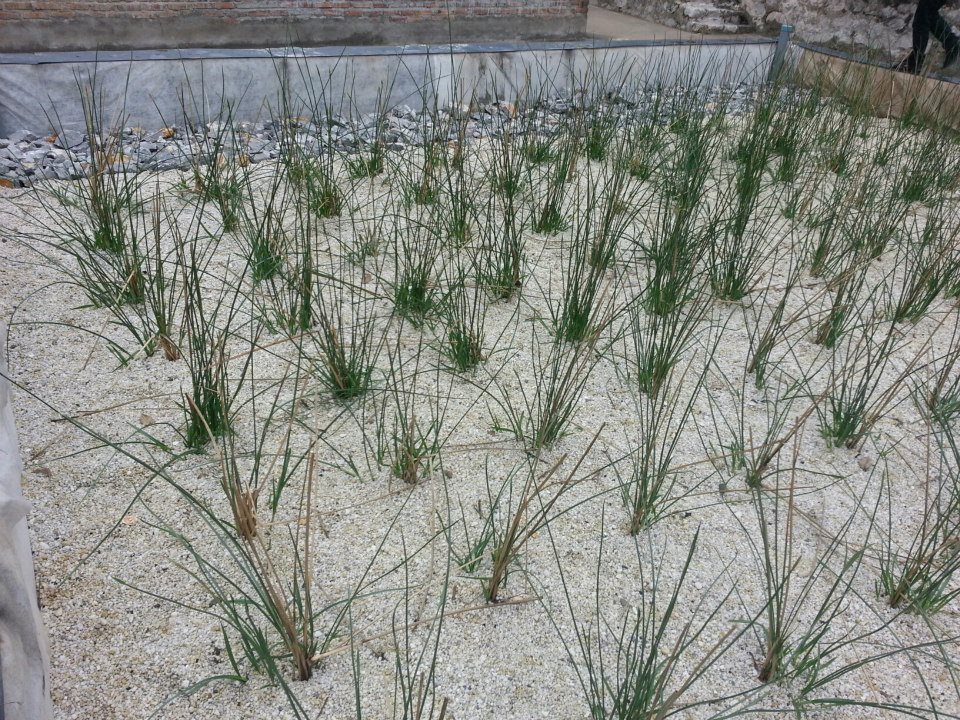
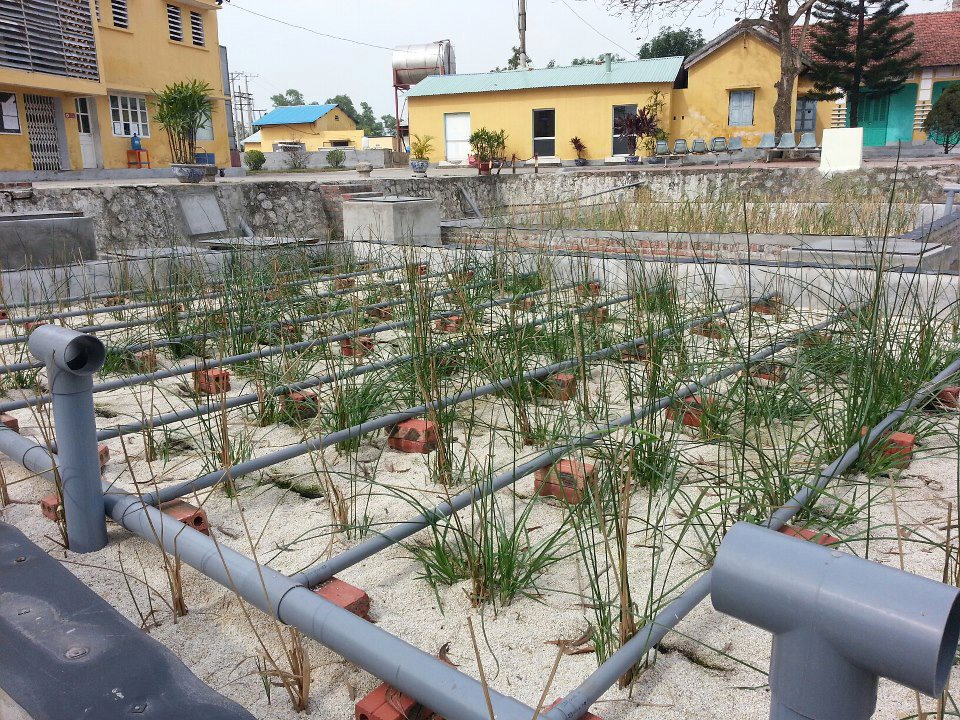
Ordnance Factory, Nagpur (India)
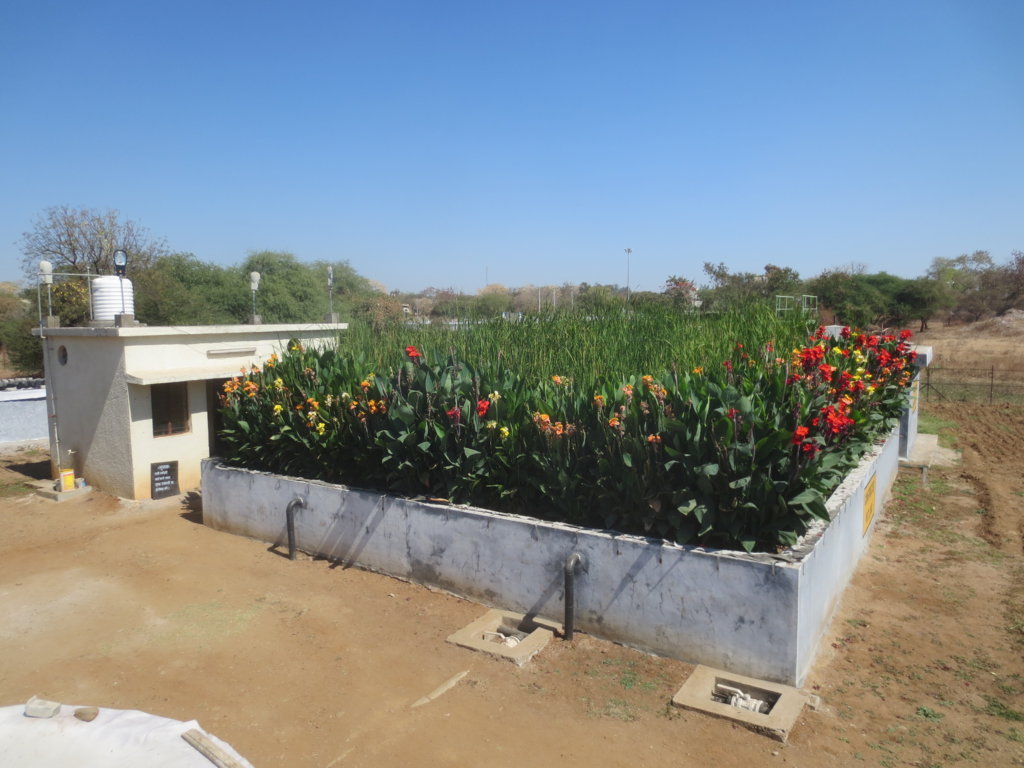
Location: Nagpur (India)
Treated wastewater quantity: 5-8 m3/day (pilot plant)
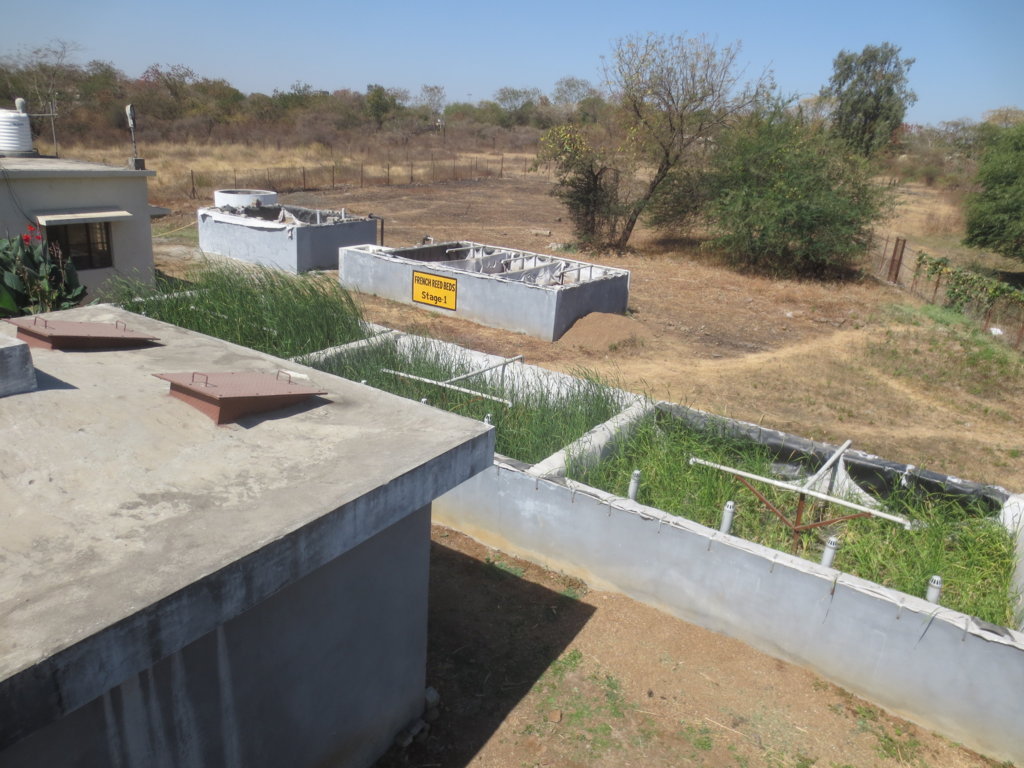
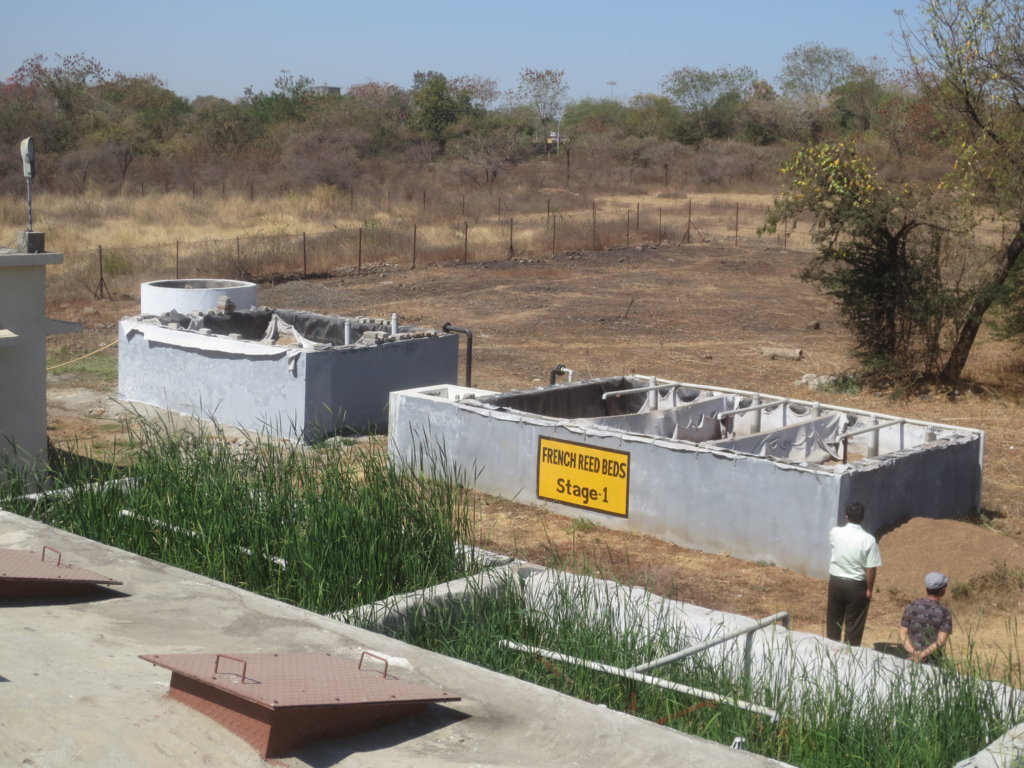
Chosen Nature-Based solution: FRB + Short rotation plantation (SRP)
Peculiarity: Treatment plant realized under the EU funded project NaWaTech
Year of design: 2015
Trattamento terziario del depuratore di Bulgarograsso (CO - Italia) per la rimozione dei coloranti dalle acque reflue dell'industria tessile
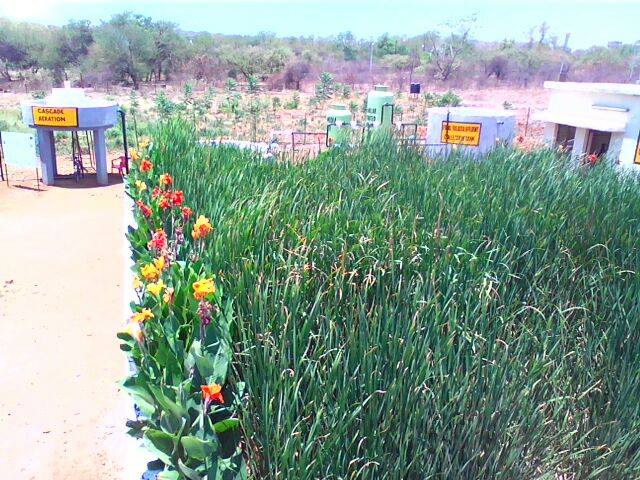
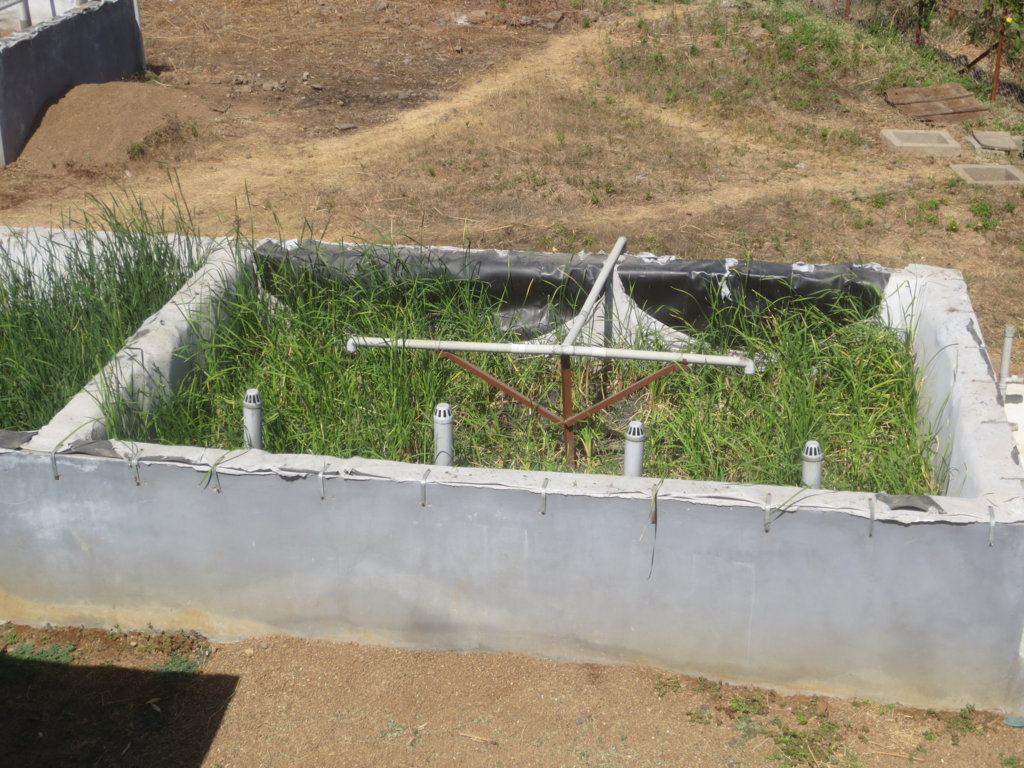
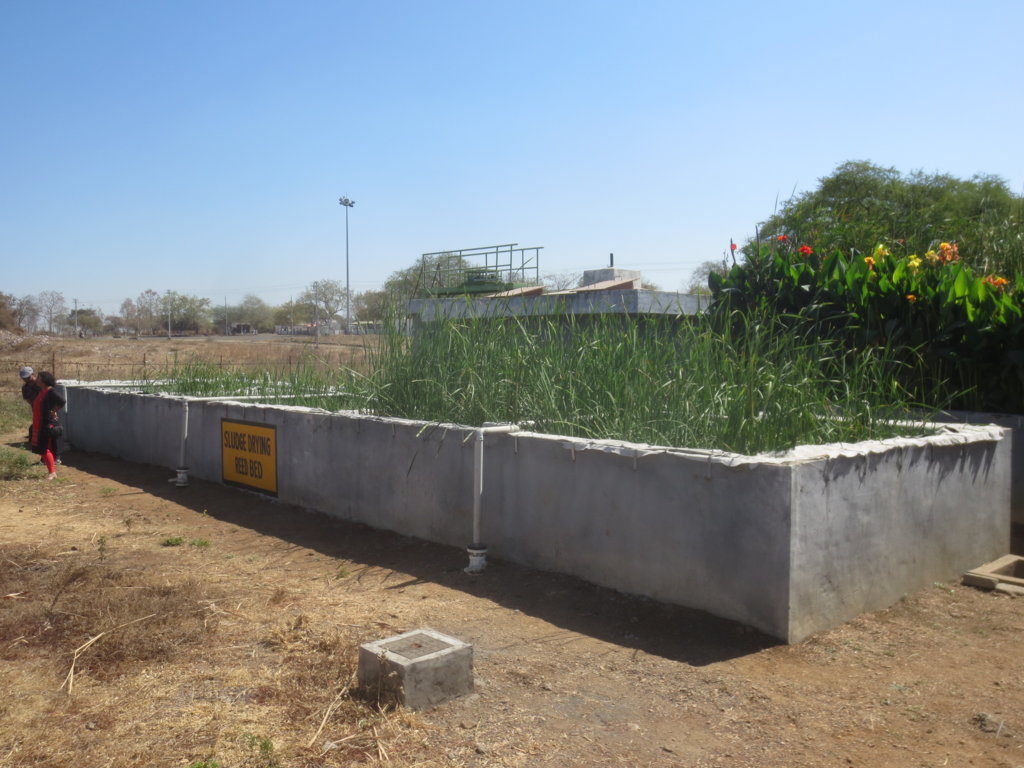
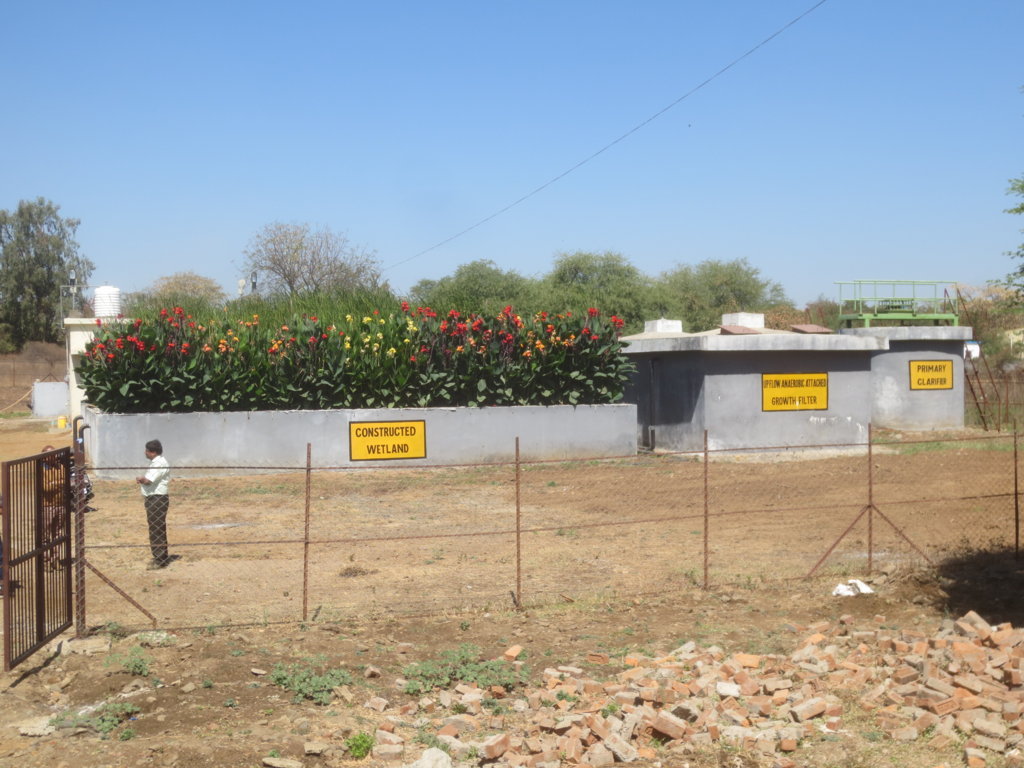
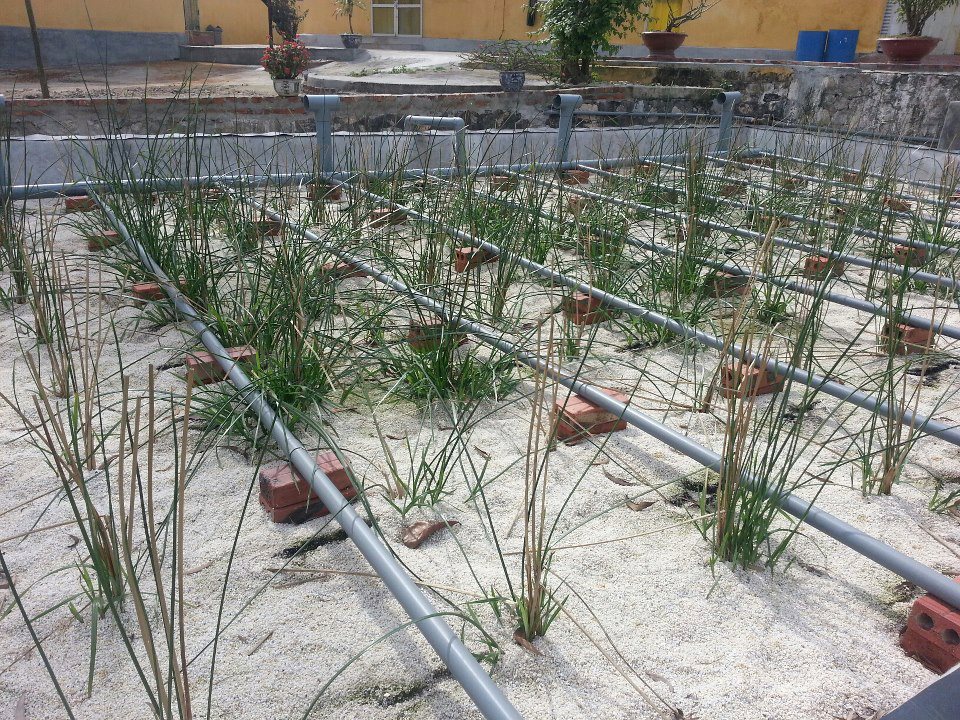
At Ordnance Factory (OFAJ), the system implemented consisted of a main treatment line with anaerobic treatment + subsurface HF CW, and a pilot line with French wetland + short rotation plantation (SRP). Together, the system is designed for 100 p.e. (100 m3/day), and the treated water is proposed for reuse of watering a multi-purpose garden and sports complex.
Trattamento terziario del depuratore di Bulgarograsso (CO - Italia) per la rimozione dei coloranti dalle acque reflue dell'industria tessile
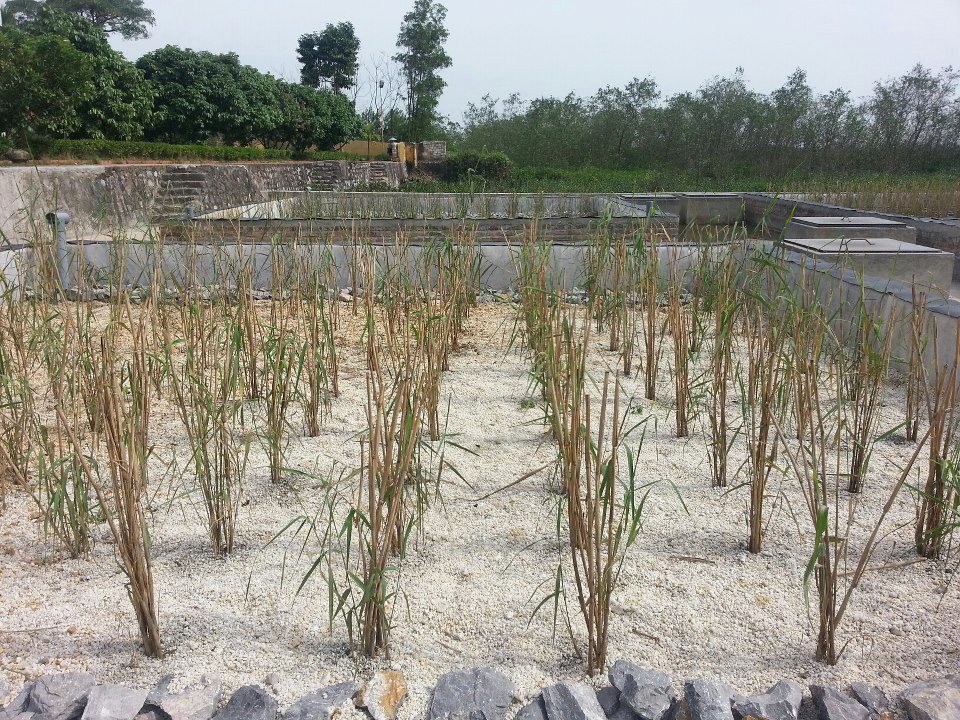
Fish processing industry, Yen hung (Vietnam)
Location: Yen hung (Vietnam)
Treated wastewater quantity: 5-10 m3/day (pilot plant)
Chosen Nature-based solution: HF and VF
Type of industry: Fish processing industry for sushi production
Year of completion: 2012
Ordnance Factory, Nagpur (India)
Ordnance Factory, Nagpur (India)
ex-Vulcanair Factory, Casoria (NA - Italy)
Luogo: Casoria (NA)
Abitanti equivalenti trattati: 80
Tipologia di impianto: VF + HF
Anno di realizzazione: 2013
Vulcanir
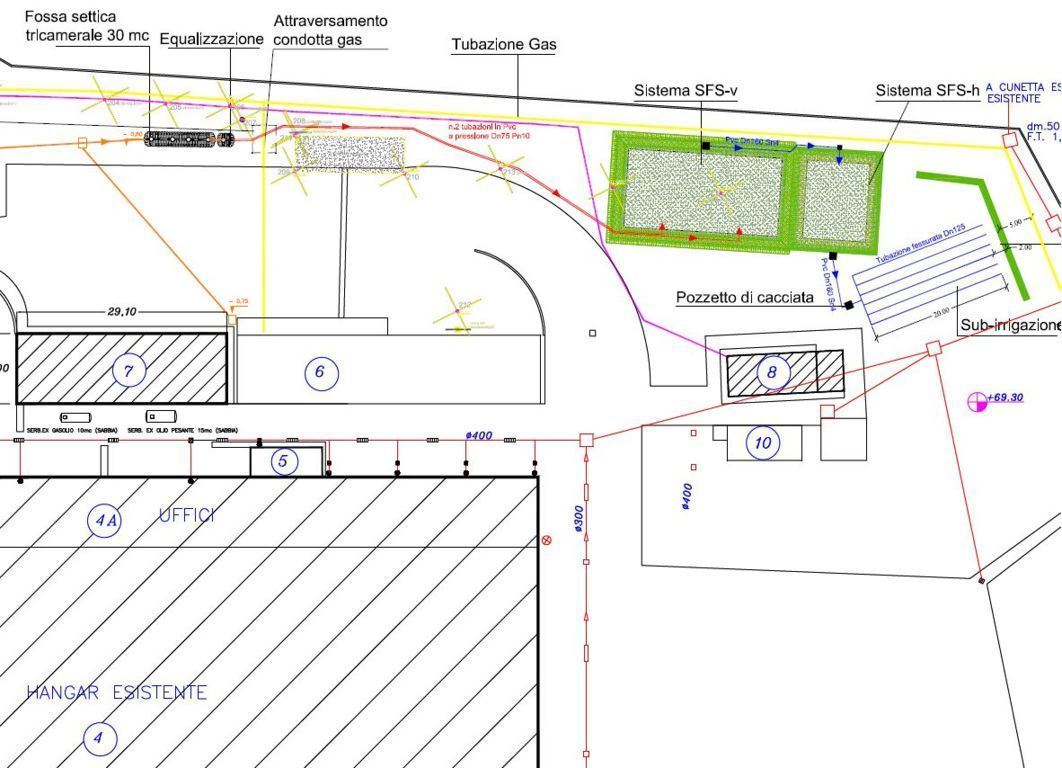
The project site is located within the VULCANAIR S.p.A. facility in the municipality of Casoria, adjacent to Naples-Capodichino Airport. The area lies within the Campanian Plain, in the municipality of Casoria, north of the city of Naples.
The selected treatment system is a multistage constructed wetland consisting of a first-stage vertical subsurface flow (VF) bed with a surface area of 250 m², followed by a horizontal subsurface flow (HF) bed with a surface area of 100 m².
The adopted design solution includes a primary treatment structure housing the sedimentation compartment (three-chamber septic tank) and an equalization tank, followed by the multistage constructed wetland system. The latter consists of a first-stage vertical subsurface flow (VF) bed and a second-stage horizontal subsurface flow (HF) bed.
As no receiving surface water body is available in the vicinity of the site, the treated effluent is discharged into the ground through a subsurface infiltration (subsurface irrigation) system.
Vulcanir
Bebidas y Galletas, Guantanamo (Cuba)
Location: Guantanamo (Cuba)
Treated wastewater quantity: 180 m3/day
Chosen Nature-Based solution: HF + FWS
Peculiarity: Plant for treatment of brewery wastewater
Year of design: 2005
PAM supermarket, Quarrata (PT - Italia)
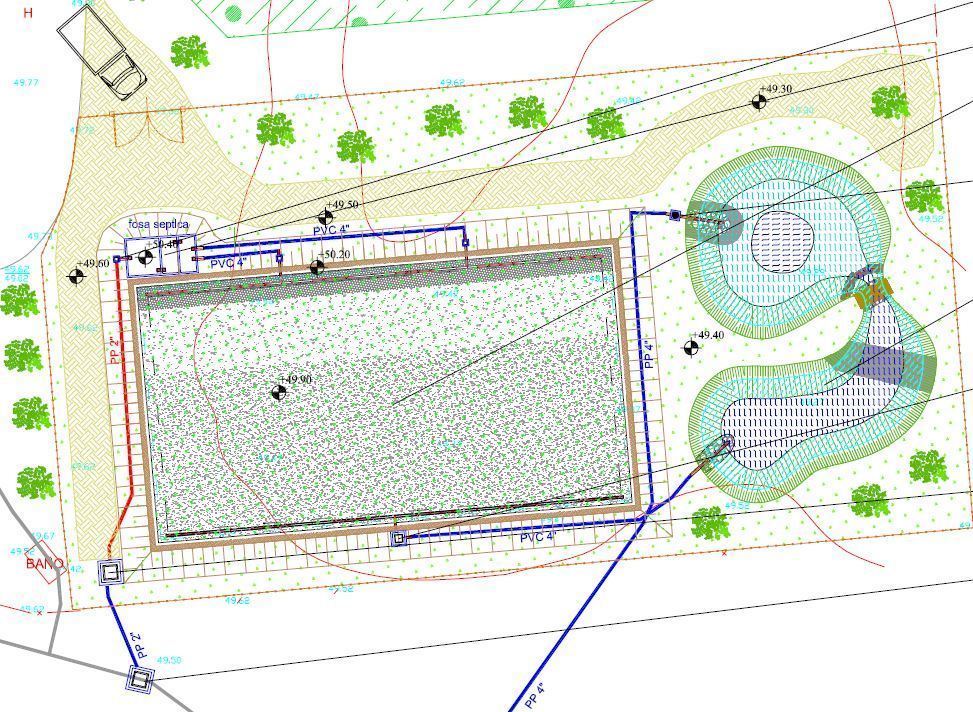
The preliminary constructed wetland project was developed within the framework of the IDEASS initiative (Innovations for Development and South-South Cooperation), promoted by the international programmes ILO/Universitas, UNDP/APPI, and UNDP/IFAD/UNOPS. These programmes, integrated into national development policies, support local development processes through an integrated and participatory approach, involving public and private stakeholders as well as civil society.
The Empresa de Bebidas y Refrescos Guantánamo is involved in the production and wholesale distribution of alcoholic beverages, soft drinks, wines, water, beer, and ice. The wastewater generated by the company originates from the various production processes, as well as from the chemicals used during cleaning and disinfection operations.
The treatment system consists of a septic tank, a horizontal subsurface flow (HF) constructed wetland with a surface area of 400 m², and a free water surface (FWS) constructed wetland with a surface area of 100 m².
PAM supermarket, Quarrata (PT - Italy)
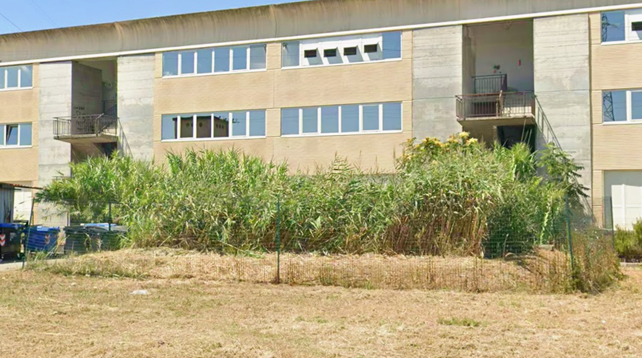
Location: Quarrata (PT - Italy)
Treated person equivalent: 19 PE
Chosen Nature-Based solution: HF
Year of design: 2004
PAM supermarket, Quarrata (PT - Italia)
Il sito si trova presso il Supermercato PAM s.p.a, situato in via statale n.173 Quarrata (Pt). Il sistema prescelto in fase di progettazione preliminare è del tipo monostadio e prevede la realizzazione di un bacino a flusso sommerso orizzontale (SFS-h o HF) di area 54 m2. All’impianto di fitodepurazione sono convogliate sia le acque grigie provenienti dalla lavorazione alimentare nei vari reparti del supermercato sia le acque nere dei bagni. Le acque grigie sono immesse in un degrassatore e successivamente allacciate alla terza camera della vasca tricamerale. Le acque nere sono convogliate direttamente alla vasca tricamerale. I reflui raggiungono il sistema di fitodepurazione mediante una stazione di sollevamento.


